Jakarta, 4 -6 March 2026
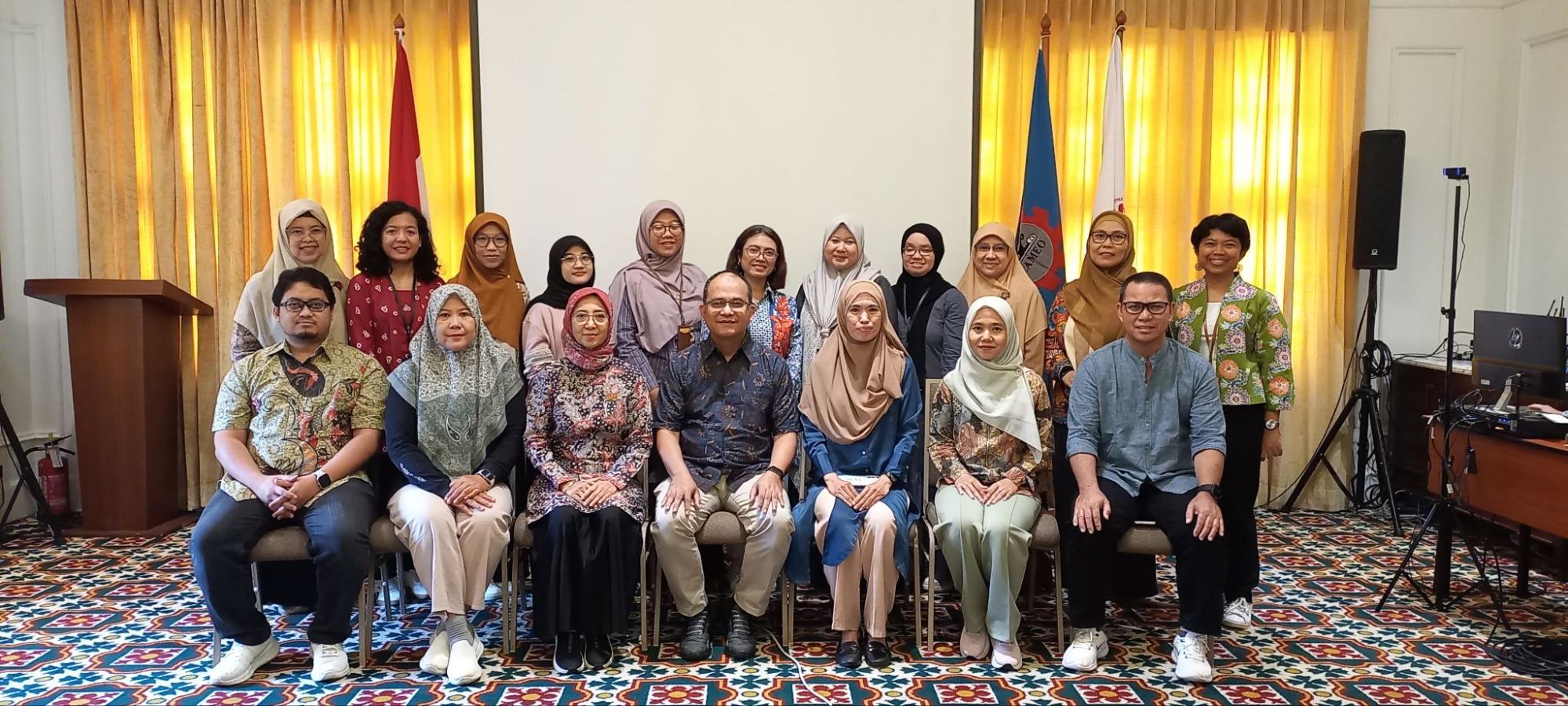
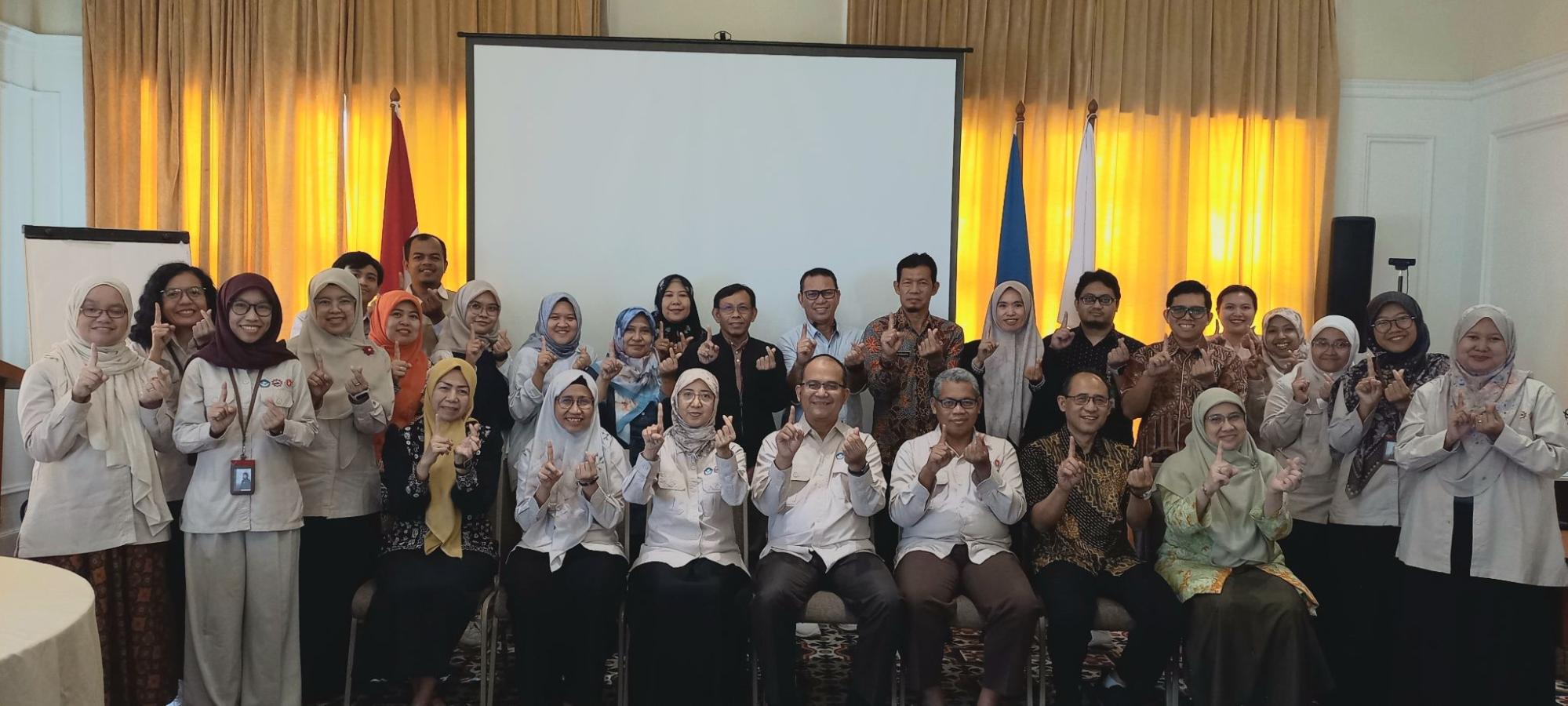
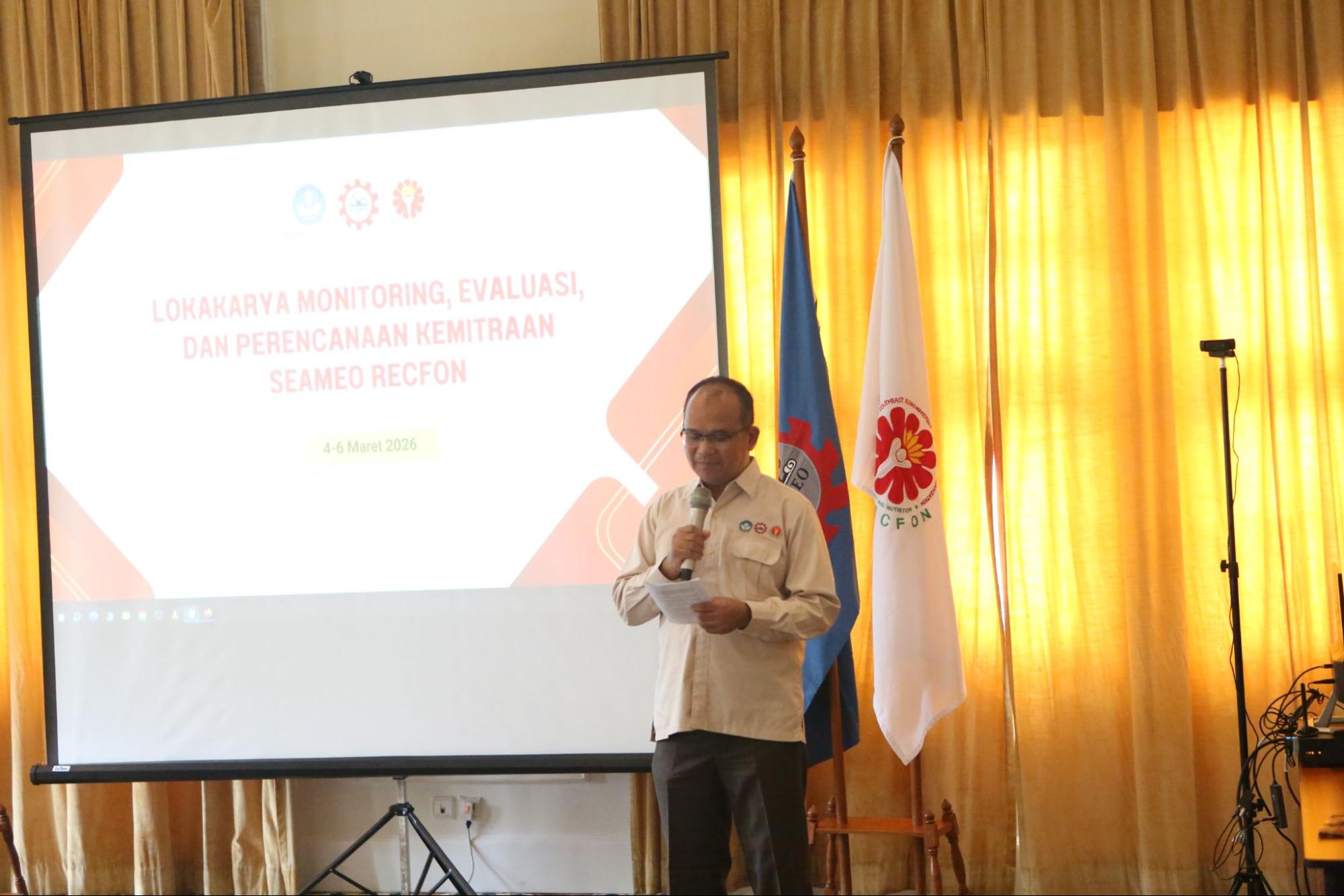
SEAMEO RECFON held the Partnership Planning, Monitoring, and Evaluation Workshop from 4–6 March 2026 at The Hermitage, a Tribute Portfolio Hotel, Jakarta, as part of its efforts to strengthen coordination and program implementation with its partners. The workshop was attended by 64 participants, with 42 joining in person and 22 participating online. Participants represented partner institutions including Polkespon, Poltekkes Kemenkes Semarang, Poltekkes Kemenkes Pangkal Pinang, Universitas Mataram, PRTABN BRIN, Poltekkes Tasikmalaya, and Universitas Indonesia, as well as local government representatives from Sambas, Brebes, Bangka, Lombok Timur, and Tanjung Jabung Timur. The event was also attended by representatives from the Ministry of Primary and Secondary Education of the Republic of Indonesia and SEAMEO RECFON’s internal team.
The workshop created a space for joint discussion to review the implementation of existing partnerships and to develop plans for future collaboration. In addition, it included discussions on the draft cooperation agreement, the development of a collaborative roadmap, and the strengthening of monitoring and evaluation mechanisms to ensure that program implementation remains focused and sustainable.
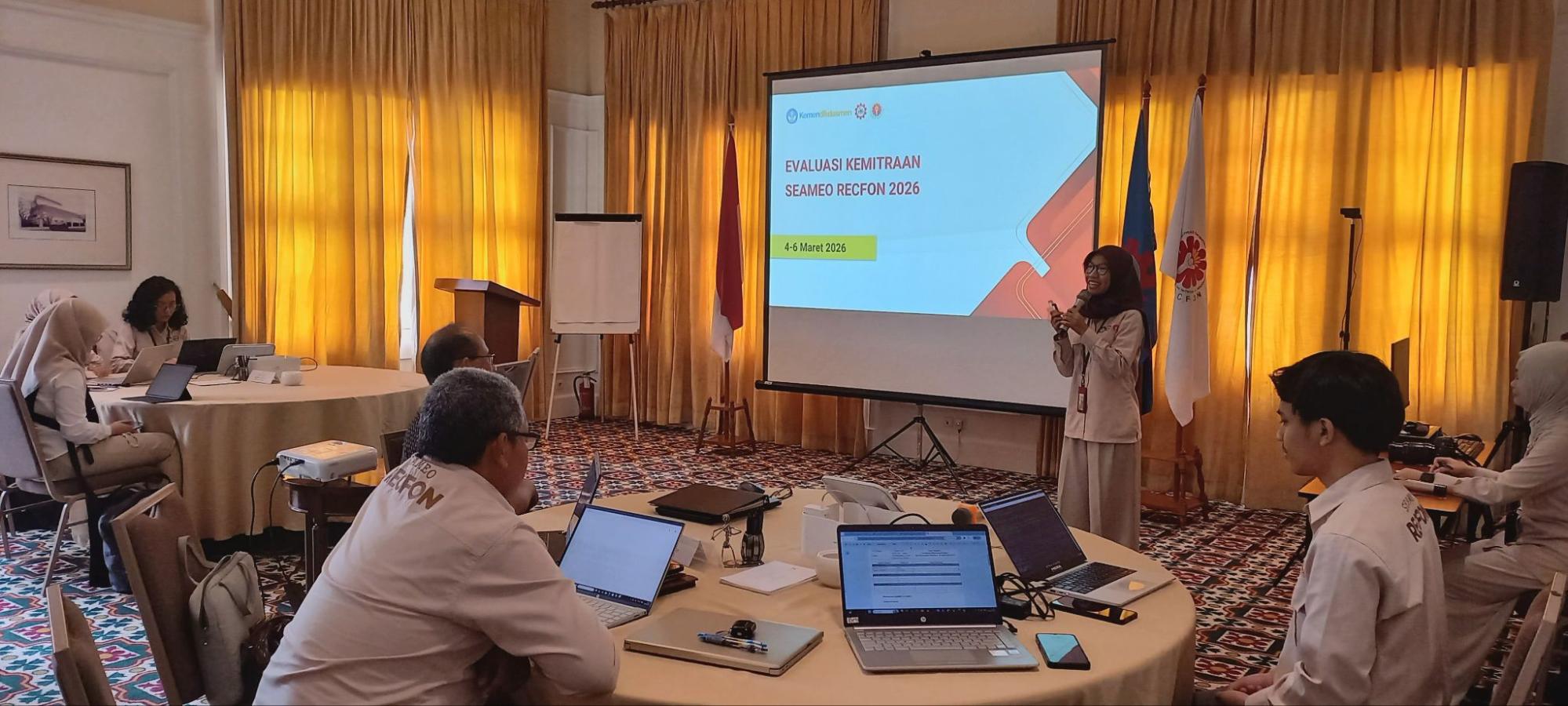
Commitment Reinforcement and Partnership Evaluation
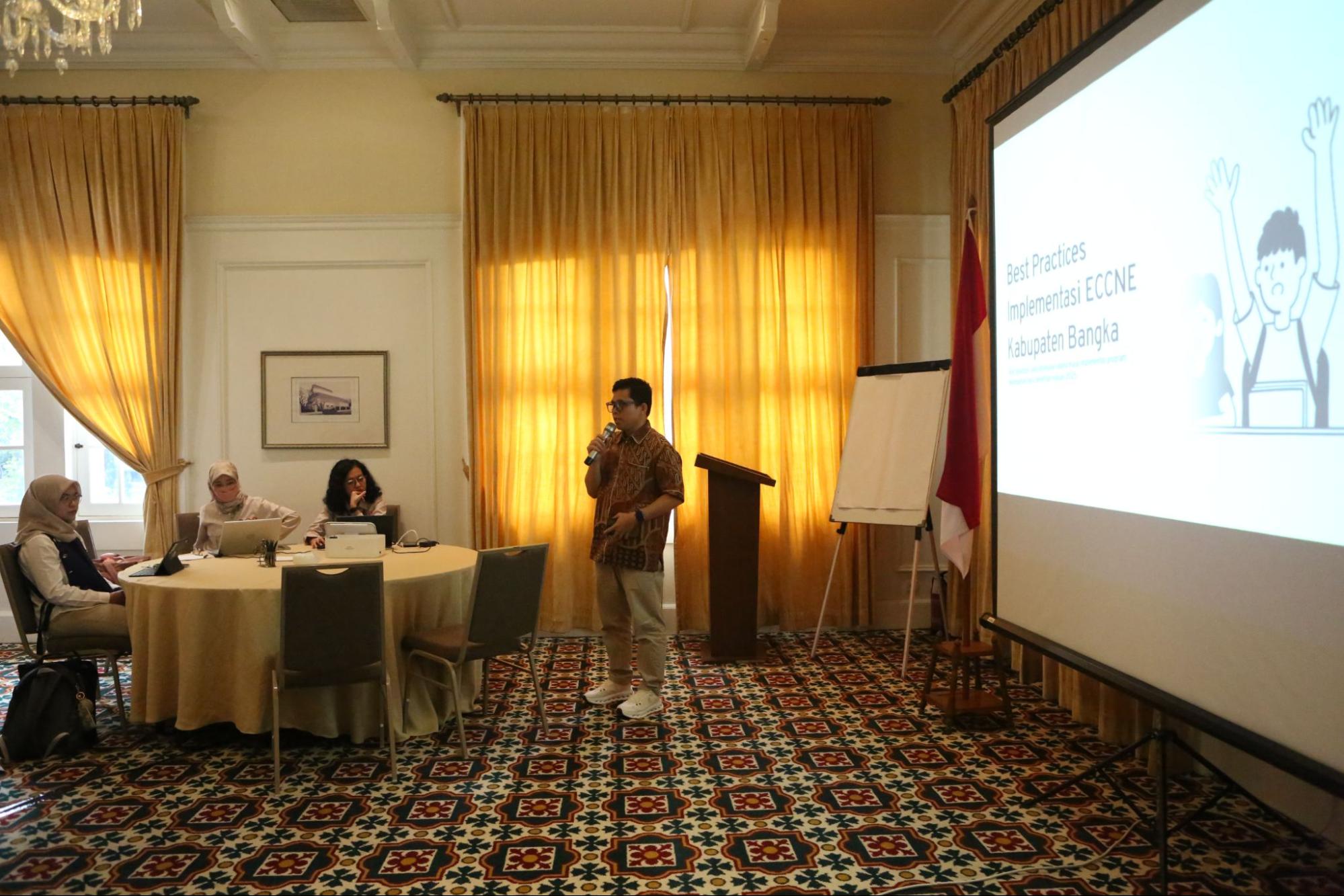
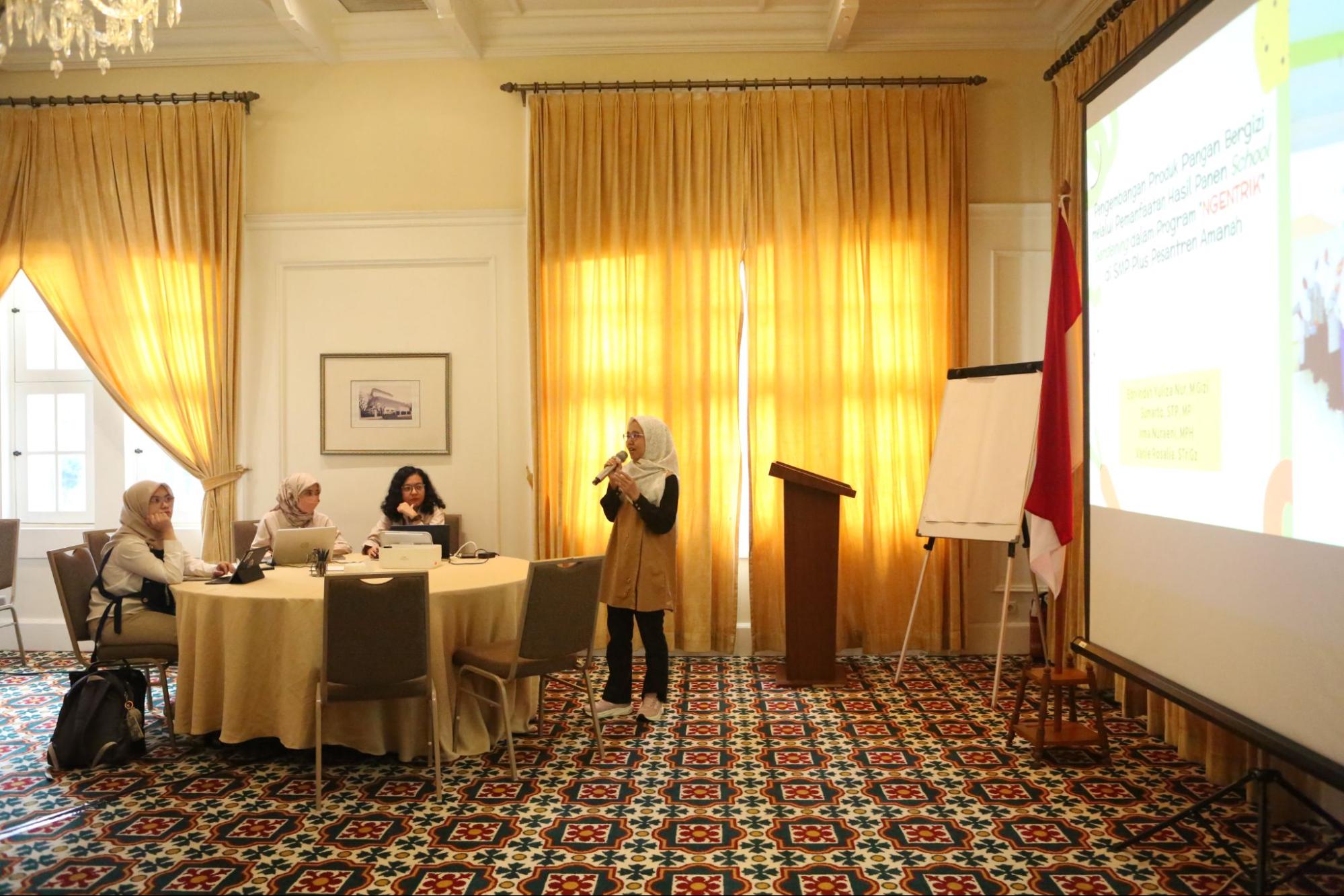
The session began with a joint discussion focusing on reviewing program achievements and evaluating the results of the collaboration with partners. Through the Sharing Best Practices agenda, the two-party and three-party partners presented their various program implementation achievements, including training for early childhood education (PAUD) teachers and health personnel, the implementation of Training of Trainers (ToT), nutritional interventions in educational units and Islamic boarding schools, as well as strengthening the child growth and health monitoring system in the region.
Discussions then led to a more in-depth discussion about various challenges in partnership management. A number of issues were discussed, including high personnel turnover, budget constraints as a result of efficiency policies, coordination across regional departments, and the need for a more integrated monitoring and reporting system. Furthermore, the sustainability of the program following the expiration of the cooperation agreement also became a concern, particularly in terms of the involvement of the partnership unit in the implementation and evaluation of the program on a regular basis.
Partnership Is More Than Just Results, It’s Collaboration
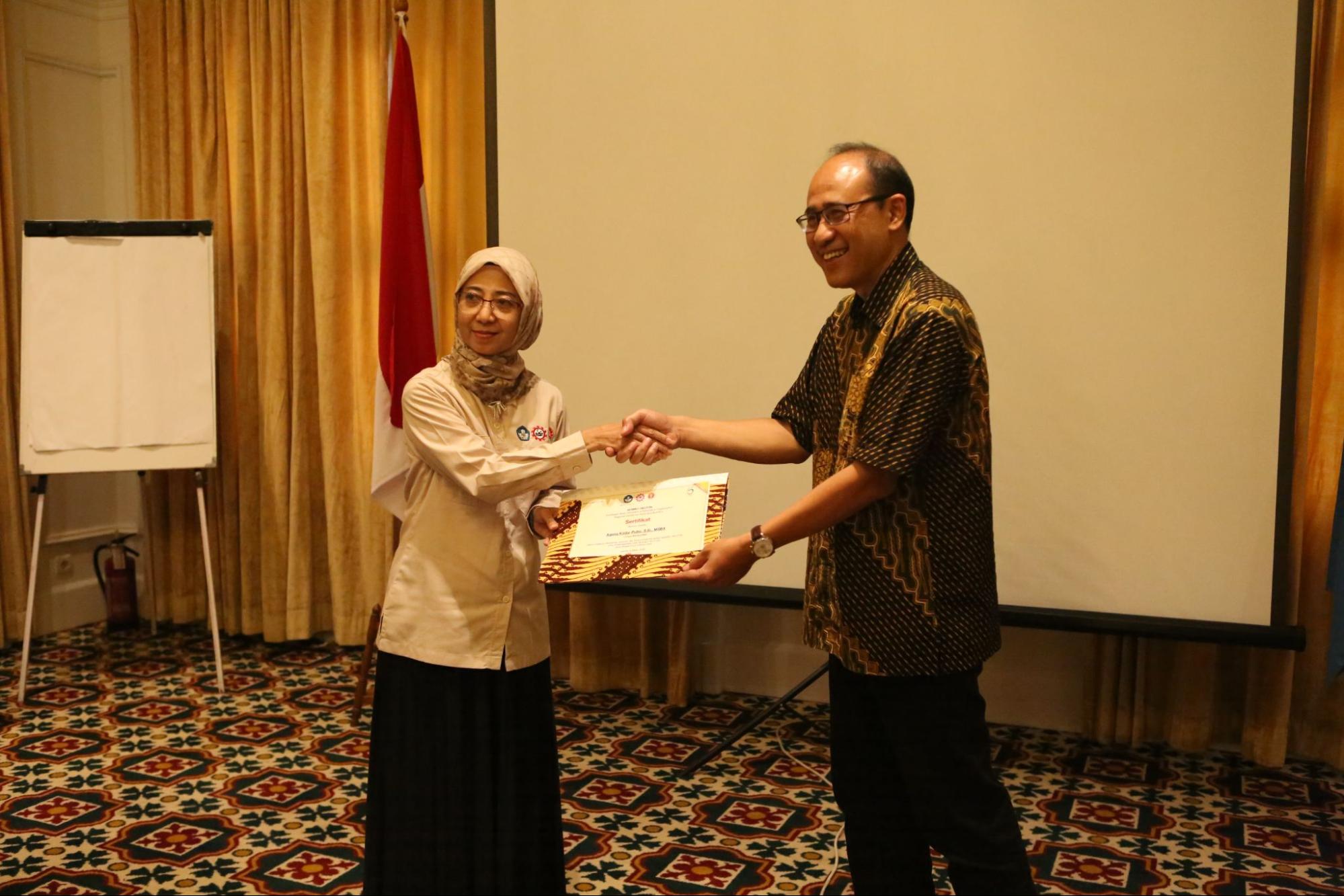
During the session on the 4C Framework – 4 Pillars of Trust, speaker Ageng Kirdjo Putro, S.Si., MSBA emphasized that the success of a partnership is not only measured by program achievements, but also by the quality of trust built between the parties involved. The trust between the partners was built on a shared vision, consistent commitment, clear two-way communication, and synergies between the expertise of various sectors. The partnership was seen as a dynamic and evolving process through various stages, with each challenge becoming an important part of strengthening the shared commitment.
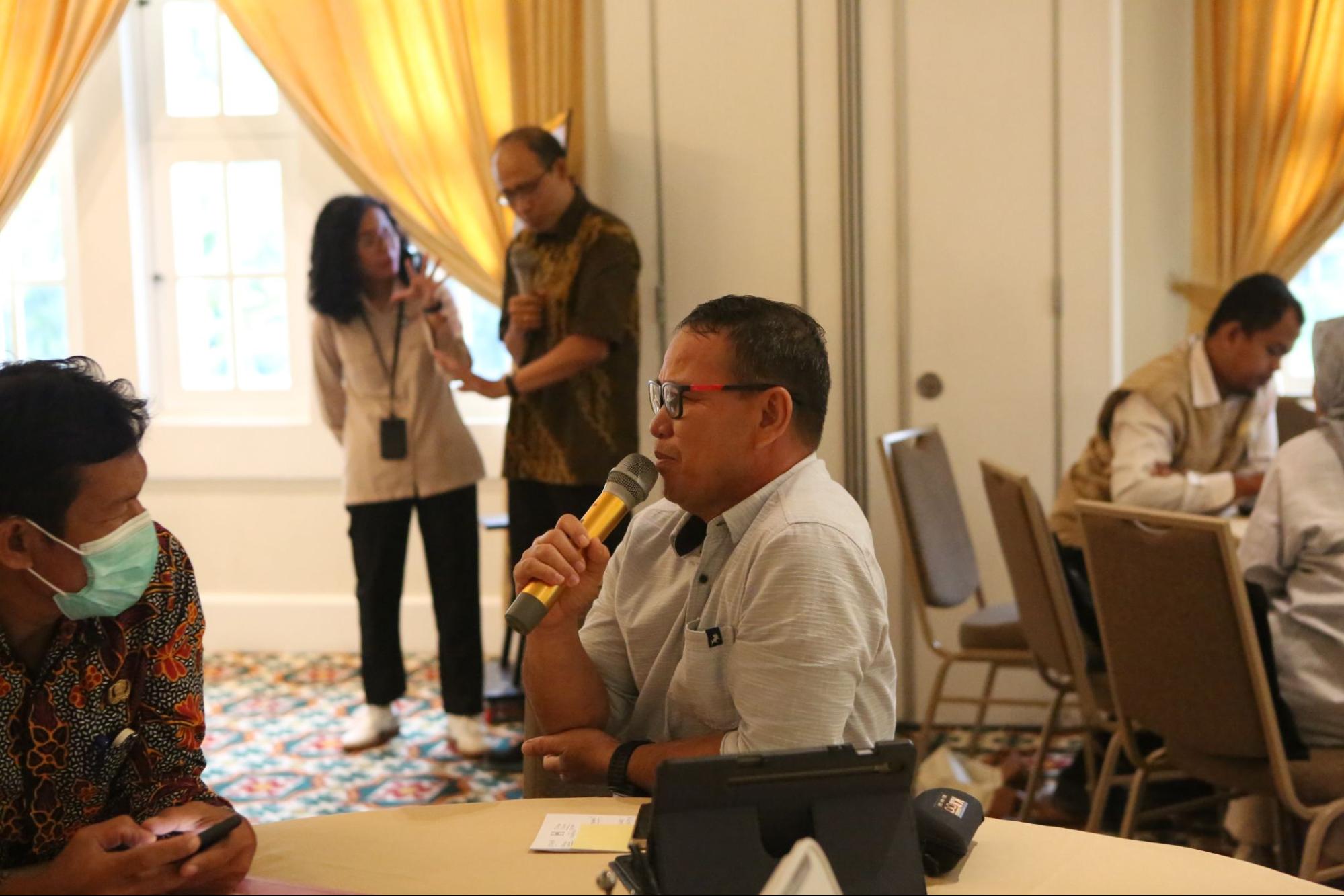
The discussion became a forum to exchange experiences among partners in implementing programs in the regions. The partners considered that collaboration with SEAMEO RECFON had contributed to capacity building, clear work direction, and more structured technical assistance. In addition, the participants also provided various inputs to strengthen the monitoring mechanism, improve alignment between regional program targets and SEAMEO RECFON’s work plan, and develop a more systematic and sustainable partnership evaluation method.
Strengthening Policy Synergy and Developing a Collaboration Framework
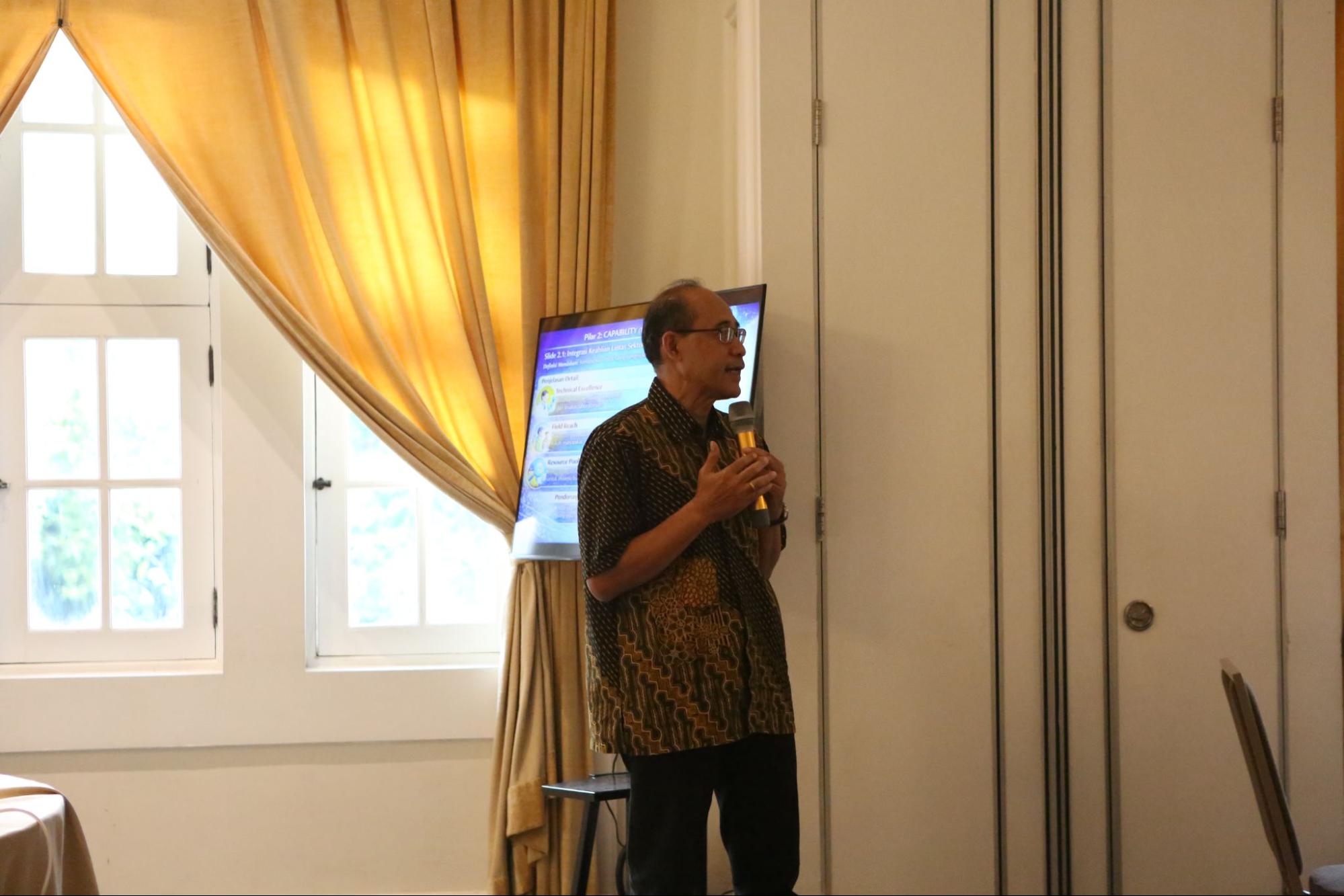
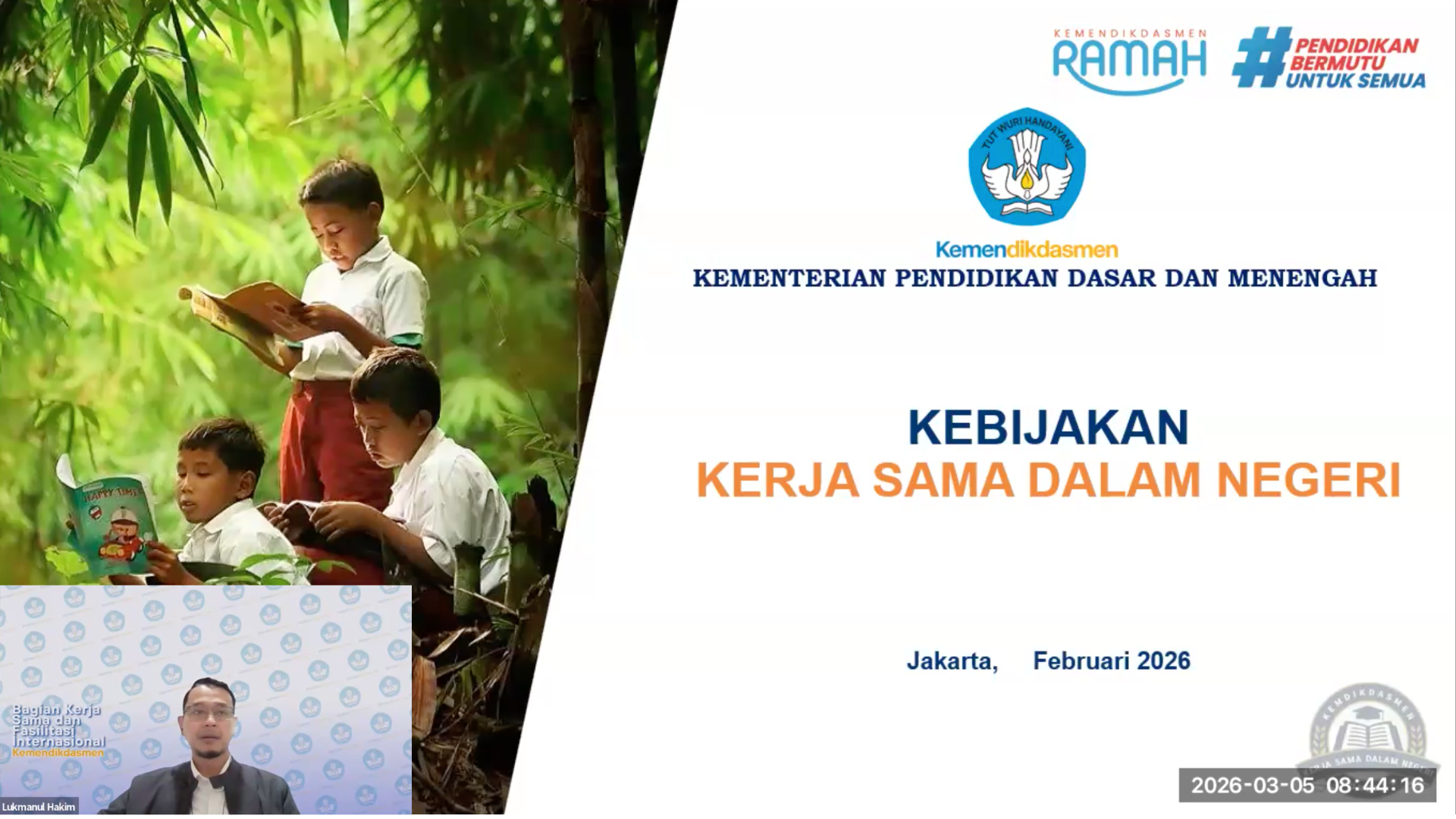
The discussion then moved on to strengthening policy alignment and developing systematic cooperation mechanisms. This session began with a presentation from the Cooperation Bureau of the Ministry of Primary and Secondary Education (Kemendikdasmen) delivered by Lukmanul Hakim, S.S., M.Hum., M.Ed., which discussed the principles, procedures, and strategic aspects of managing cooperation between institutions.
During his presentation, Lukmanul Hakim emphasized the importance of clarity regarding the roles and responsibilities of each party in the cooperation agreement document. He also explained that the drafting of cooperation documents needs to take into account compliance with applicable regulations, national policy directions, and program requirements at the regional level.
Working Group Workshop: Reviewing Cooperation Documents and Developing a Collaboration Roadmap
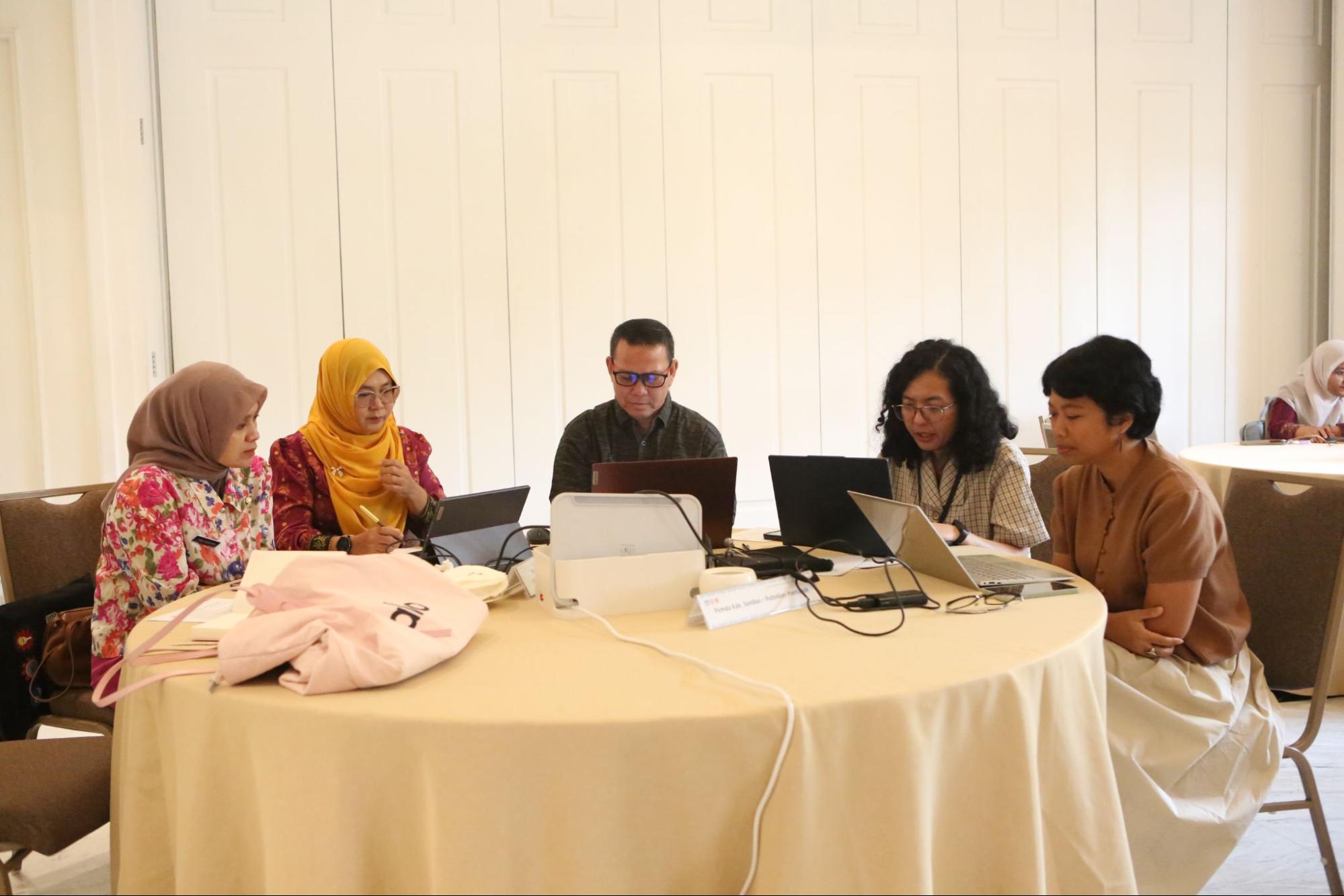
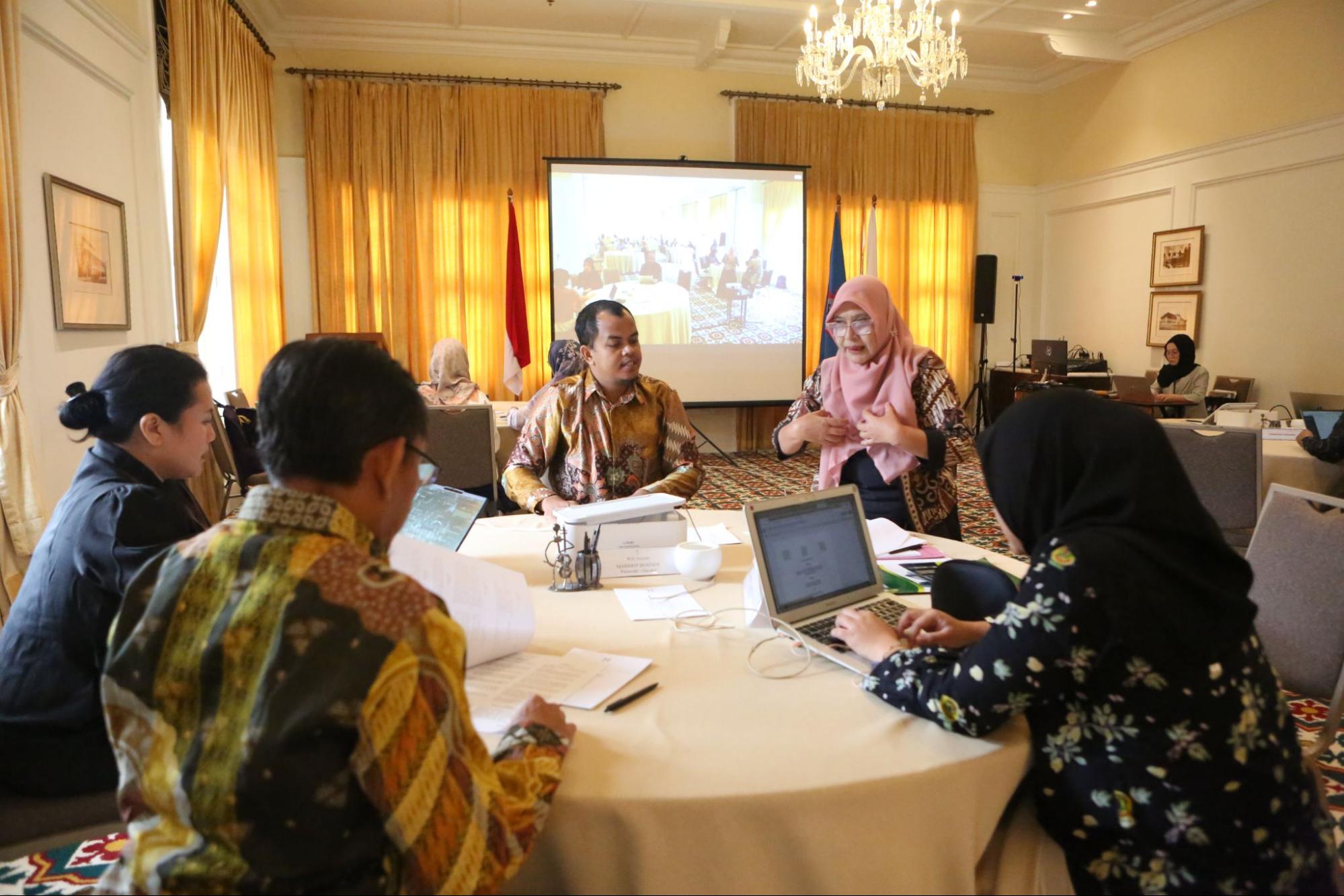
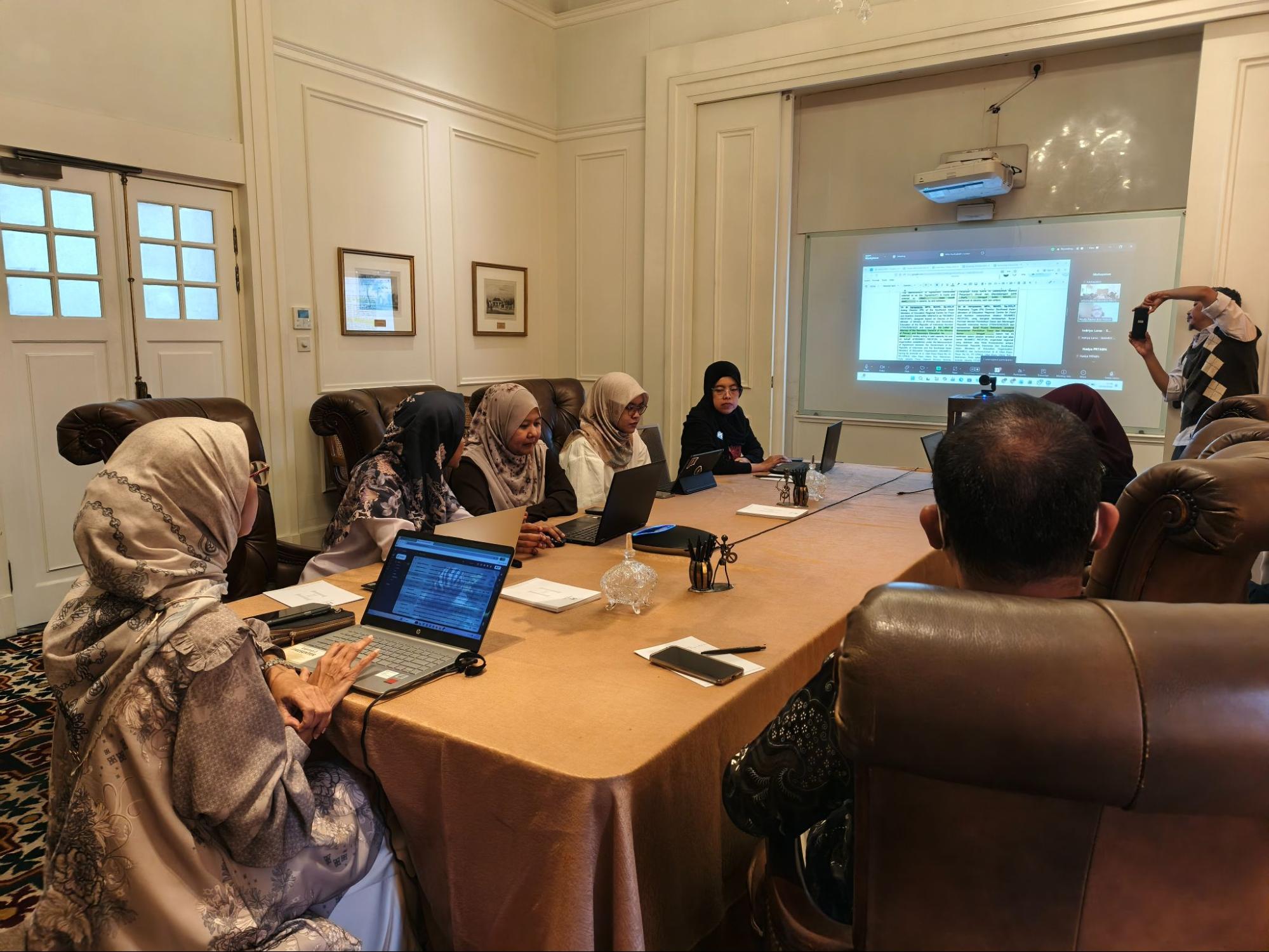
Following the presentation session, the event continued with group workshops that brought together partner representatives and the SEAMEO RECFON team for more in-depth discussions. In each group, participants collectively reviewed the draft of the new cooperation agreement and the extension of the existing cooperation agreement that had been prepared previously. The discussions focused on various important aspects, including the scope of activities, the role distribution among institutions, and the coordination mechanisms for program implementation.
The workshop continued with the development of a framework of collaboration. During this session, participants and the SEAMEO RECFON team identified plans for activities to be carried out during the cooperation period. Discussions also covered steps for preparing programs for the current year, so that the direction of collaboration could be designed in a more planned manner and in line with program needs in the region.
Presentation on the Results of the Discussion and Refinement of the Collaboration Plan
The day concluded with each group presenting the results of their discussions on the draft cooperation agreement and the collaboration roadmap. This session provided an opportunity to gather input and perspectives from a number of parties, including the Cooperation Planning Bureau (PKS) and the Legal Bureau of the Ministry of Primary and Secondary Education, as well as SEAMEO RECFON members.
Throughout the series of workshops and presentation sessions, participants successfully formulated a draft cooperation agreement and a roadmap for collaboration, which had undergone a joint review process. The various inputs obtained in this session are expected to further improve the document. This discussion also formed the basis for partners to continue the document revision process and strengthen the collaboration framework that will support a more focused and sustainable program implementation.
Planning, Coordination, Monitoring, and Evaluation of Partnerships
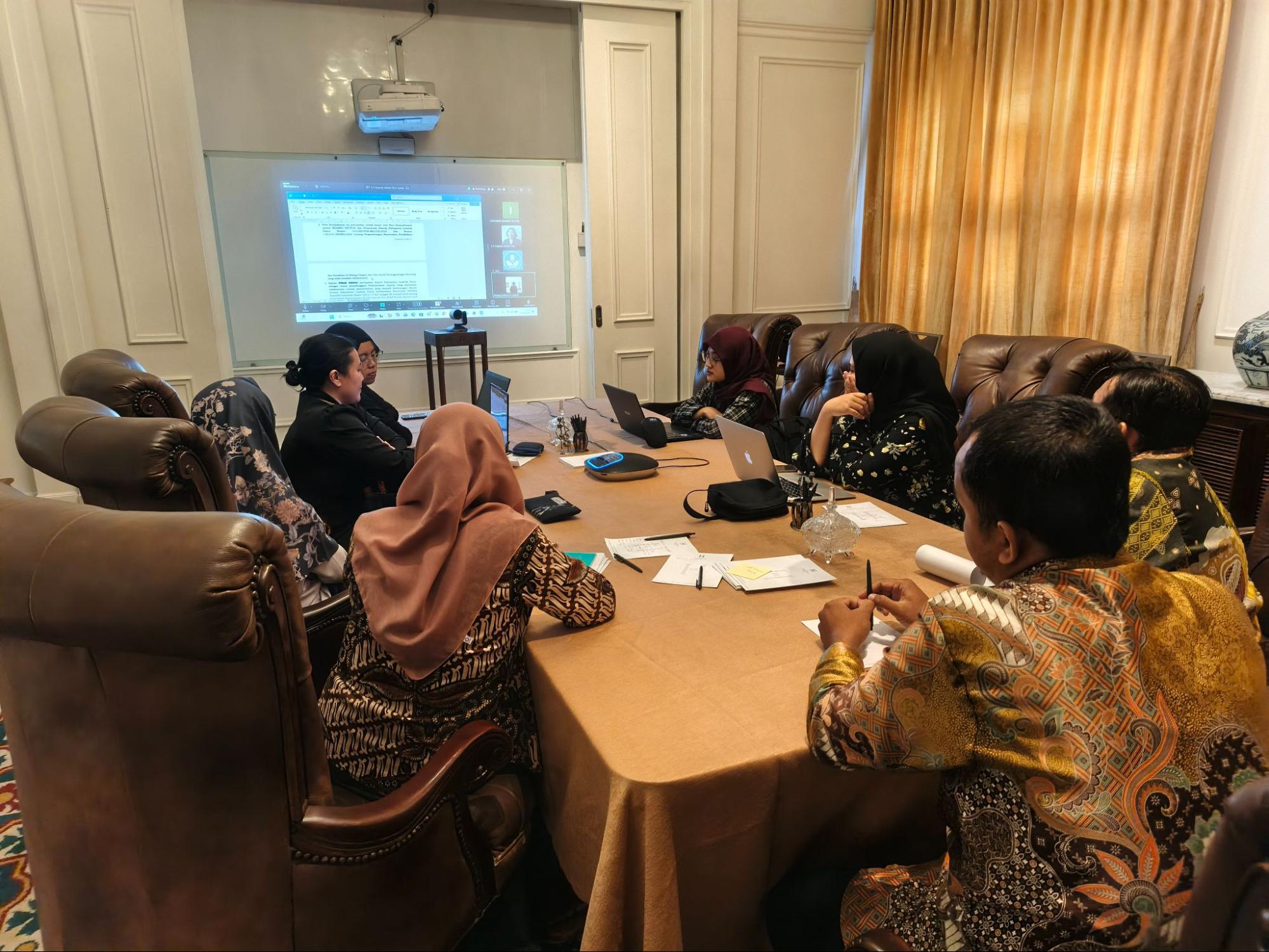
During the final session of the workshop, discussions focused on planning the coordination of monitoring and evaluation for the implementation of the collaboration. This session was designed to ensure that every collaboration plan that had been developed could be implemented effectively and monitored regularly with partners.
Participants were divided into two discussion groups: the partnership team and the activity implementation team. Each group discussed coordination mechanisms, communication flows, and role distribution in program monitoring and evaluation. Participants also emphasized the importance of maintaining alignment between the designed collaboration roadmap and program monitoring mechanisms in the field.